
How to Brew Coffee at Home: A Beginner’s Guide to the Perfect Cup
Introduction
There’s something special about enjoying a freshly brewed cup of coffee in the comfort of your own home. The rich aroma, the first warm sip, and the satisfaction of making it yourself can turn an ordinary morning into a great one. Many people believe that preparing café-quality coffee requires expensive machines or years of experience, but that’s far from the truth.
Learning how to brew coffee at home is easier than you might think. With the right ingredients, a few simple tools, and the proper brewing technique, anyone can make delicious coffee that rivals their favorite café. Whether you’re a complete beginner or someone looking to improve your coffee-making skills, this guide will help you create the perfect cup every time.
In this article, you’ll learn how to choose quality coffee beans, select the best brewing method, understand the importance of water temperature, and avoid common mistakes that affect the taste of your coffee. By the end of this guide, you’ll feel confident about how to brew coffee at home like a professional.
Why Brewing Coffee at Home Is Worth It
Brewing coffee at home offers more than just convenience. It allows you to customize every cup according to your personal taste while saving money compared to buying coffee from cafés every day.
Some of the biggest advantages include:
- Better control over flavor and strength
- Fresh coffee whenever you want
- Lower long-term cost
- Freedom to experiment with different brewing methods
- A relaxing daily routine
Once you understand how to brew coffee at home, you’ll realize that making coffee is not just a task—it becomes an enjoyable part of your day.
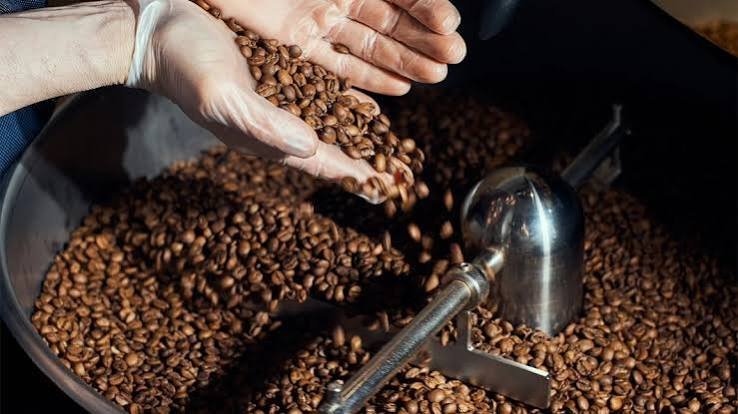
Choose High-Quality Coffee Beans
The quality of your coffee always begins with the beans. Even the most expensive coffee maker cannot produce excellent coffee from poor-quality beans.
There are two main varieties of coffee beans:
Arabica
Arabica beans are known for their smooth, slightly sweet taste with pleasant fruity or floral notes. They are considered the premium choice for most coffee lovers.
Robusta
Robusta beans contain more caffeine and produce a stronger, bolder flavor with a slightly bitter finish. They’re commonly used in espresso blends.
For beginners learning how to brew coffee at home, Arabica beans are usually the best option because of their balanced and approachable flavor.
Buy Freshly Roasted Coffee
Freshness plays a major role in the final taste of your coffee.
Whenever possible:
- Buy freshly roasted beans.
- Check the roasting date.
- Avoid coffee that’s been sitting on shelves for many months.
Coffee gradually loses its aroma after roasting, so fresher beans produce a richer and more flavorful cup.
Grind Your Coffee Correctly
One of the biggest secrets to great coffee is grinding your beans just before brewing.
Different brewing methods require different grind sizes.
| Brewing Method | Grind Size |
|---|---|
| French Press | Coarse |
| Pour Over | Medium |
| Drip Coffee Maker | Medium |
| AeroPress | Medium-Fine |
| Espresso Machine | Fine |
Grinding your coffee immediately before brewing helps preserve its natural oils and aroma.
When practicing how to brew coffee at home, this simple habit can noticeably improve the flavor.
Use Clean, Filtered Water
Many people focus only on coffee beans and forget about water.
Since coffee is nearly 98% water, the quality of your water directly affects the final taste.
For the best results:
- Use filtered water.
- Avoid distilled water.
- Avoid heavily chlorinated tap water.
Clean water allows the natural flavors of the coffee beans to shine.
Maintain the Right Water Temperature
Water temperature is another important factor.
If the water is too hot, your coffee may taste bitter.
If it’s too cool, your coffee may taste weak and sour.
The ideal brewing temperature is:
90°C to 96°C
This temperature extracts the perfect balance of sweetness, aroma, and flavor from your coffee grounds.
Understanding temperature is an important step in mastering how to brew coffee at home.
Measure Coffee Properly
Instead of guessing, use a consistent coffee-to-water ratio.
A simple starting point is:
- 1 tablespoon of coffee for every 180 ml of water
Or, for better accuracy:
- 15 grams of coffee
- 250 ml of water
Once you become comfortable, you can adjust the ratio depending on whether you prefer stronger or lighter coffee.
Popular Brewing Methods
One of the most enjoyable parts of learning how to brew coffee at home is discovering different brewing styles.
Each method produces its own unique flavor.
French Press
French Press creates a rich, full-bodied coffee because the coffee grounds remain in contact with the water during brewing.
It’s ideal for people who enjoy bold coffee with more natural oils.
Pour Over
Pour Over brewing offers a cleaner and brighter cup.
Water is slowly poured over the coffee grounds, allowing careful control of extraction.
This method highlights delicate flavors and aromas.
Drip Coffee Maker
Drip coffee makers are popular because they’re simple and consistent.
Just add coffee, water, and press a button.
They’re perfect for families or anyone who drinks several cups each day.
Espresso Machine
Espresso uses high pressure to force hot water through finely ground coffee.
The result is a concentrated shot with a rich flavor and a creamy layer known as crema.
Although espresso machines require practice, they produce café-style drinks at home.
Step-by-Step Guide to Brewing Coffee
Now that you understand the basics, here’s a simple process you can follow every morning.
Step 1
Choose fresh coffee beans.
Step 2
Grind the beans according to your brewing method.
Step 3
Heat clean filtered water.
Step 4
Measure the correct amount of coffee.
Step 5
Brew using your preferred method.
Step 6
Serve immediately while it’s fresh and aromatic.
Following these simple steps will greatly improve your success with how to brew coffee at home.
Common Mistakes to Avoid
Many beginners unknowingly make mistakes that reduce coffee quality.
Avoid these common problems:
- Using stale coffee beans
- Grinding coffee too early
- Using boiling water
- Incorrect coffee-to-water ratio
- Dirty brewing equipment
- Storing coffee in direct sunlight
- Leaving brewed coffee sitting for too long
Even small improvements can make a noticeable difference in taste.
Store Coffee Properly
Proper storage helps preserve freshness.
Always store your coffee:
- In an airtight container
- Away from sunlight
- In a cool, dry place
- Away from moisture
Avoid keeping coffee in the refrigerator because condensation can reduce flavor over time.
Experiment with Different Coffee Beans
One of the most exciting parts of learning how to brew coffee at home is experimenting with different coffee beans. Every coffee-growing region produces unique flavors that can completely change your coffee experience.
For example:
- Ethiopian Coffee – Floral aroma with fruity notes.
- Colombian Coffee – Smooth, balanced, and slightly sweet.
- Brazilian Coffee – Nutty with chocolate-like flavors.
- Indian Coffee – Bold, spicy, and full-bodied.
Trying different beans helps you discover your personal favorite and makes every cup a new experience.
Learn to Froth Milk Like a Barista
If you enjoy Cappuccinos or Lattes, learning to froth milk is a skill worth mastering.
You don’t always need an expensive espresso machine. A handheld milk frother or French Press can create creamy milk foam at home.
For the best results:
- Use cold fresh milk.
- Heat it gently without boiling.
- Froth until smooth and silky.
- Pour slowly over freshly brewed espresso.
Adding perfectly frothed milk is another step toward mastering how to brew coffee at home like a professional barista.
Keep Your Equipment Clean
Many people overlook cleaning, but dirty coffee equipment can ruin the taste of fresh coffee.
After every use:
- Wash your coffee maker.
- Clean the French Press.
- Rinse reusable filters.
- Wipe the grinder.
- Empty old coffee grounds immediately.
A clean brewing setup ensures every cup tastes fresh and flavorful.
Simple Coffee Recipes to Try at Home
Once you’ve learned how to brew coffee at home, it’s time to explore different coffee recipes.
Classic Cappuccino
Ingredients:
- 1 Espresso shot
- Steamed milk
- Milk foam
Top with a little cocoa powder or cinnamon for extra flavor.
Café Latte
Ingredients:
- 1 Espresso shot
- Steamed milk
- Thin layer of foam
Perfect for those who enjoy a smooth and creamy coffee.
Iced Coffee
Ingredients:
- Fresh brewed coffee
- Ice cubes
- Cold milk
- Sugar or syrup (optional)
A refreshing choice for warm summer days.
Mocha
Ingredients:
- Espresso
- Chocolate syrup
- Steamed milk
- Whipped cream
A favorite for anyone who loves both coffee and chocolate.
How Coffee Grind Size Affects Flavor
Grinding coffee correctly is one of the most important parts of how to brew coffee at home.
Here’s what happens:
Too Fine
- Bitter taste
- Over-extraction
- Slower brewing
Too Coarse
- Weak flavor
- Sour taste
- Under-extraction
Choosing the right grind size ensures balanced extraction and a delicious cup every time.
Why Fresh Coffee Tastes Better
Fresh coffee beans contain natural oils and aromatic compounds that give coffee its rich flavor.
Over time, exposure to:
- Air
- Moisture
- Heat
- Sunlight
causes coffee to lose its freshness.
Buying smaller quantities and storing them properly will help maintain the best flavor possible.
Best Coffee Accessories for Beginners
You don’t need expensive equipment to enjoy amazing coffee.
Here are some useful tools:
- Burr Coffee Grinder
- Digital Kitchen Scale
- French Press
- Pour Over Dripper
- Gooseneck Kettle
- Milk Frother
- Airtight Coffee Container
- Reusable Coffee Filter
These simple accessories can improve both consistency and flavor.
Mistakes Even Experienced Coffee Drinkers Make
Even experienced coffee lovers occasionally make mistakes.
Avoid these habits:
- Reheating old coffee
- Using low-quality beans
- Brewing with dirty equipment
- Measuring coffee by guesswork
- Ignoring water quality
- Storing coffee in clear containers exposed to sunlight
Correcting these small mistakes can dramatically improve your coffee.
Frequently Asked Questions
How much coffee should I use?
A good starting point is 15 grams of coffee for every 250 ml of water. Adjust according to your taste.
Can I use tap water?
Filtered water is recommended because it produces a cleaner and better-tasting cup.
How long do coffee beans stay fresh?
Whole beans are usually best within 2–4 weeks after roasting if stored correctly.
Should I grind coffee every day?
Yes. Grinding immediately before brewing preserves aroma and flavor.
Is expensive equipment necessary?
No.
Understanding how to brew coffee at home correctly is more important than owning expensive machines.
Expert Tips for Better Coffee Every Day
Here are a few simple habits that make a noticeable difference:
- Buy freshly roasted beans.
- Grind only what you need.
- Use filtered water.
- Measure your coffee accurately.
- Keep your equipment clean.
- Experiment with brewing methods.
- Taste different coffee origins.
- Brew coffee fresh every morning.
These small improvements will help you consistently prepare better coffee.
Final Thoughts
Learning how to brew coffee at home is a rewarding journey that combines quality ingredients, simple techniques, and a little practice. You don’t need to be a professional barista or own expensive equipment to enjoy a delicious cup of coffee every morning.
The secret lies in using fresh coffee beans, the correct grind size, clean water, proper brewing temperatures, and consistent measurements. As you experiment with different brewing methods and coffee varieties, you’ll begin to understand what suits your taste best.
Whether you prefer a bold Espresso, a creamy Latte, or a refreshing Iced Coffee, brewing coffee at home allows you to enjoy café-quality beverages whenever you want. It also saves money, gives you complete control over flavor, and turns your daily coffee routine into an enjoyable ritual.
The next time someone asks how to brew coffee at home, you’ll have the knowledge and confidence to create a perfect cup and even share your favorite tips with friends and family.
So, grab your favorite coffee beans, start brewing, and enjoy every sip. Great coffee doesn’t begin in a café—it begins in your own kitchen.
Conclusion
Mastering how to brew coffee at home isn’t about perfection on your first attempt. It’s about learning, experimenting, and enjoying the process. Every cup you make teaches you something new, helping you refine your technique and discover the flavors you love most.
At Morning Mug, we believe every great day starts with a great cup of coffee. We hope this guide inspires you to brew with confidence and turn your home into your favorite coffee spot.
Happy Brewing! ☕✨


