Espresso vs Cappuccino: What’s the Difference?
Walk into any coffee shop, and you’ll almost always find two of the most popular drinks on the menu—Espresso and Cappuccino. While they may seem similar because both begin with espresso, they offer completely different coffee experiences. Understanding Espresso vs Cappuccino can help you choose the perfect drink based on your taste, mood, and lifestyle.
Many beginners often assume that Cappuccino is simply espresso with milk, while others believe Espresso contains much more caffeine. In reality, the comparison between Espresso vs Cappuccino is much more interesting than that.
Whether you’re a new coffee drinker or someone who enjoys visiting cafés regularly, this guide will explain every major difference between these two classic beverages. By the end of this article, you’ll know exactly which coffee suits your personality.
What is Espresso?
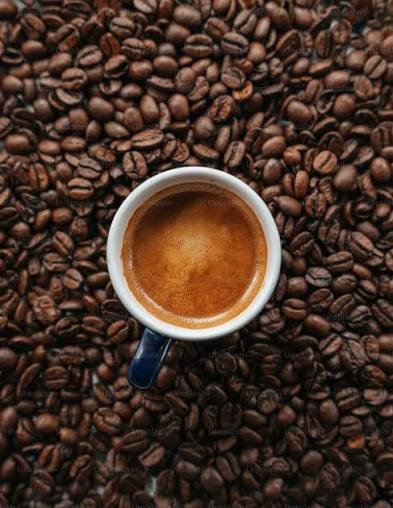
Espresso is one of the purest forms of coffee. It is prepared by forcing hot water through finely ground coffee beans under high pressure. This process produces a concentrated coffee shot with a rich aroma, bold flavor, and a beautiful golden layer known as crema.
Unlike many other coffee drinks, espresso contains only two ingredients:
- Freshly ground coffee
- Hot water
There is no milk, sugar, or cream unless you decide to add them later.
Although an espresso is usually served in a small cup of about 30 ml, its flavor is incredibly rich and intense. Because of this concentrated taste, espresso is considered the foundation of many coffee beverages such as Cappuccino, Latte, Mocha, Flat White, and Americano.
When discussing Espresso vs Cappuccino, it’s important to remember that every cappuccino begins with a perfectly brewed shot of espresso.
What is Cappuccino?
Cappuccino is one of the world’s most loved coffee drinks because it perfectly balances strong coffee with creamy milk.
A traditional cappuccino is prepared using three equal parts:
- One shot of espresso
- Steamed milk
- Thick milk foam
This combination creates a smooth, creamy beverage that still allows the coffee flavor to shine.
Unlike espresso, cappuccino is larger in size and has a soft, velvety texture. The milk reduces bitterness while adding natural sweetness, making cappuccino an excellent choice for beginners.
One reason the debate around Espresso vs Cappuccino continues is that each drink appeals to completely different coffee lovers. Some enjoy the bold intensity of espresso, while others prefer the creamy comfort of cappuccino.
Espresso vs Cappuccino: The Main Difference
The biggest difference in Espresso vs Cappuccino is milk.
Espresso contains only coffee and water.
Cappuccino contains espresso, steamed milk, and milk foam.
This single difference changes almost everything about the drink.
| Espresso | Cappuccino |
|---|---|
| Strong | Smooth |
| Bold | Creamy |
| Small Serving | Larger Cup |
| No Milk | Milk & Foam |
| Intense Flavor | Balanced Flavor |
If you love tasting every natural note of the coffee beans, espresso is an excellent option.
If you enjoy creamy beverages with a softer coffee flavor, cappuccino is likely the better choice.
Ingredients Comparison
Understanding the ingredients makes Espresso vs Cappuccino much easier.
Espresso Ingredients
Espresso is incredibly simple.
You only need:
- Fresh coffee beans
- Hot water
That’s it.
Because nothing is added, the quality of the beans becomes extremely important.
Cappuccino Ingredients
Cappuccino contains:
- One Espresso Shot
- Steamed Milk
- Thick Milk Foam
Many cafés also add:
- Cocoa Powder
- Cinnamon
- Chocolate Powder
These toppings enhance both appearance and flavor.
Taste Comparison
Taste is where the debate over Espresso vs Cappuccino becomes most interesting.
Espresso Taste
Espresso has a:
- Rich flavor
- Bold aroma
- Thick body
- Slight bitterness
- Long-lasting aftertaste
Different coffee beans create different flavor notes such as:
- Chocolate
- Caramel
- Nuts
- Fruits
- Floral Notes
Coffee enthusiasts often prefer espresso because they can clearly taste these natural characteristics.
Cappuccino Taste
Cappuccino offers a completely different experience.
The steamed milk softens espresso’s intensity while the milk foam creates a light, creamy texture.
Instead of being strong and sharp, cappuccino becomes:
- Creamy
- Smooth
- Slightly Sweet
- Well Balanced
Because of this balance, cappuccino is often recommended for people who are new to coffee.
This is another important difference in Espresso vs Cappuccino.
Texture and Appearance
One glance is enough to identify the difference between Espresso vs Cappuccino.
Espresso
Appearance:
- Small cup
- Dark brown color
- Golden crema
- Thick consistency
Texture:
Rich
Concentrated
Silky
Cappuccino
Appearance:
- Larger cup
- Light brown color
- Thick white foam
- Beautiful latte art
Texture:
Creamy
Soft
Velvety
Light
Many cafés decorate cappuccinos with heart-shaped or leaf-shaped latte art, making them one of the most visually attractive coffee drinks.
Which One Has More Caffeine?
This is one of the most common questions when comparing Espresso vs Cappuccino.
Many people think cappuccino contains less caffeine because it tastes milder.
That’s actually a myth.
A standard espresso contains approximately:
60–70 mg of caffeine
A standard cappuccino is usually made using one shot of espresso.
That means the caffeine content is almost the same.
Milk changes the taste—not the caffeine.
However, if your cappuccino contains a double shot of espresso, its caffeine content will naturally increase.
How They’re Prepared
Preparation also highlights the difference between Espresso vs Cappuccino.
Espresso Preparation
- Grind coffee beans finely.
- Fill the portafilter.
- Tamp evenly.
- Force hot water through the coffee using high pressure.
- Brew for about 25–30 seconds.
The result is a rich, concentrated espresso with a beautiful crema.
Cappuccino Preparation
- Brew one fresh espresso shot.
- Steam cold milk.
- Create silky milk foam.
- Pour steamed milk onto the espresso.
- Finish with thick foam.
- Optional: Add latte art.
Although cappuccino begins with espresso, the added milk completely transforms the drink.
Calories: Espresso vs Cappuccino
Another important comparison in Espresso vs Cappuccino is calories.
Espresso
Calories:
2–5 Calories
Since it contains only coffee and water, espresso is naturally very low in calories.
Cappuccino
Calories:
80–150 Calories
The exact amount depends on:
- Milk type
- Sugar
- Syrups
- Serving size
Choosing skim milk or plant-based milk can reduce calories without sacrificing flavor.
Which Coffee Should Beginners Choose?
If you’re just starting your coffee journey, cappuccino is often the better choice because it’s creamy, balanced, and less intense.
However, if you enjoy strong flavors and want to experience coffee in its purest form, espresso is the perfect place to start.
There is no right or wrong answer in the debate over Espresso vs Cappuccino. The best choice depends entirely on your personal taste.
Health Benefits of Espresso
Espresso isn’t just known for its bold flavor—it also offers several health benefits when enjoyed in moderation.
Rich in Antioxidants
Coffee contains antioxidants that help protect your body’s cells from damage caused by free radicals.
Boosts Energy
Thanks to its natural caffeine content, espresso helps improve alertness, concentration, and mental focus. This is one reason many professionals begin their day with a shot of espresso.
Supports Physical Performance
Caffeine can temporarily increase energy levels and endurance, making espresso a popular choice before workouts.
When discussing Espresso vs Cappuccino, it’s important to remember that both drinks begin with espresso, so they share many of these benefits.
Health Benefits of Cappuccino
Cappuccino combines espresso with steamed milk, offering a few additional nutritional advantages.
Source of Calcium
Milk provides calcium, which supports healthy bones and teeth.
More Filling
Because of the milk content, cappuccino can keep you feeling satisfied for longer compared to a single espresso.
Smooth Taste
The milk softens espresso’s bitterness, making cappuccino an excellent choice for beginners and those who enjoy creamy coffee.
While comparing Espresso vs Cappuccino, cappuccino is often preferred by people who want a comforting and balanced coffee experience.
Espresso vs Cappuccino Comparison Table
Here’s a quick overview to help you understand Espresso vs Cappuccino.
| Feature | Espresso | Cappuccino |
|---|---|---|
| Main Ingredient | Coffee & Water | Espresso, Milk & Foam |
| Taste | Strong & Bold | Smooth & Creamy |
| Texture | Thick | Velvety |
| Serving Size | 30 ml | 150–180 ml |
| Calories | 2–5 | 80–150 |
| Milk | No | Yes |
| Foam | No | Thick Milk Foam |
| Caffeine | 60–70 mg | 60–70 mg (Single Shot) |
| Best For | Strong Coffee Lovers | Creamy Coffee Lovers |
This table summarizes the key points in the Espresso vs Cappuccino debate and makes it easy to compare the two drinks.
Common Myths About Espresso vs Cappuccino
There are many misconceptions about these two popular coffee drinks. Let’s clear up some of the most common myths.
Myth 1: Espresso Has More Caffeine
Not always.
A standard cappuccino usually contains one shot of espresso, so both drinks often have nearly the same amount of caffeine.
The milk changes the flavor—not the caffeine.
Myth 2: Cappuccino Isn’t Strong Coffee
False.
A cappuccino starts with espresso, which means it still has a rich coffee flavor. The steamed milk simply creates a smoother taste.
Myth 3: Espresso Is Always Bitter
A properly prepared espresso should be rich, balanced, and slightly sweet.
Bitterness often comes from:
- Burnt coffee beans
- Incorrect grind size
- Over-extraction
- Poor brewing technique
Myth 4: Cappuccino Is Only for Morning
Many people believe cappuccino should only be enjoyed during breakfast.
While that’s traditional in some countries, there’s no rule preventing you from enjoying a cappuccino whenever you like.
Which Coffee Should You Choose?
The answer depends entirely on your personal taste.
Choose Espresso if you:
- Love strong coffee
- Enjoy bold flavors
- Want a quick caffeine boost
- Prefer black coffee
- Appreciate tasting the natural flavor of coffee beans
Choose Cappuccino if you:
- Prefer creamy drinks
- Enjoy milk-based coffee
- Like a smooth texture
- Are new to drinking coffee
- Want a relaxing coffee experience
When comparing Espresso vs Cappuccino, neither drink is better than the other. They simply suit different preferences.
Tips for Brewing Better Coffee
Whether you enjoy espresso or cappuccino, following these tips will improve your coffee experience.
Buy Fresh Beans
Freshly roasted coffee produces better flavor and aroma.
Grind Before Brewing
Grinding coffee just before brewing preserves freshness and enhances taste.
Use Filtered Water
Clean water makes a noticeable difference in coffee quality.
Clean Your Equipment
Dirty coffee machines can affect flavor.
Always clean:
- Coffee Machine
- Portafilter
- Milk Wand
- Grinder
Practice Consistency
Use the same amount of coffee and water each time until you discover your preferred taste.
These simple habits improve both espresso and cappuccino.
Frequently Asked Questions
Which is stronger, Espresso or Cappuccino?
Espresso tastes stronger because it contains no milk.
However, both drinks often contain similar amounts of caffeine when prepared with one espresso shot.
Which coffee has more calories?
Cappuccino has more calories because it contains milk.
Espresso contains only about 2–5 calories.
Which coffee is better for beginners?
Cappuccino is generally recommended for beginners because its creamy texture makes the coffee flavor less intense.
Can I drink Espresso every day?
Yes.
Healthy adults can safely enjoy espresso daily as long as they stay within recommended caffeine limits.
Can I make Cappuccino without an Espresso Machine?
Yes.
You can brew strong coffee using a Moka Pot or AeroPress and froth milk with a handheld frother or French Press to create a cappuccino-style drink at home.
Expert Opinion
Professional baristas often recommend trying both drinks before deciding on a favorite.
Espresso allows you to experience the true character of coffee beans.
Cappuccino transforms that same espresso into a smooth, comforting drink that appeals to a wider audience.
The beauty of coffee lies in exploring different flavors and discovering what suits your personal taste.
Final Verdict: Espresso vs Cappuccino
The discussion around Espresso vs Cappuccino doesn’t have a single winner because both drinks offer something unique.
Espresso is perfect for those who appreciate bold flavors, concentrated coffee, and a quick energy boost. It showcases the natural characteristics of the coffee beans and is often considered the foundation of many coffee beverages.
Cappuccino, on the other hand, combines espresso with steamed milk and silky foam to create a creamy, balanced drink that’s ideal for relaxing mornings, friendly conversations, or anyone who enjoys a softer coffee experience.
Understanding Espresso vs Cappuccino isn’t about choosing the “better” coffee—it’s about discovering which one matches your mood, taste, and lifestyle.
Conclusion
Now that you understand Espresso vs Cappuccino, ordering your next coffee should be much easier. Both drinks begin with the same espresso shot, yet they deliver completely different experiences.
If you love bold, intense coffee with a rich aroma, espresso is an excellent choice. If you prefer a creamy, smooth, and comforting drink, cappuccino is likely to become your favorite.
At Morning Mug, we believe every cup tells a story. Whether you enjoy the simplicity of espresso or the creamy comfort of cappuccino, the best coffee is the one that brings you joy.
The next time you’re standing in front of a café menu, you’ll know exactly what sets Espresso vs Cappuccino apart—and you’ll be able to choose with confidence.
So grab your favorite cup, enjoy every sip, and keep exploring the wonderful world of coffee.
Happy Brewing! ☕


